CCTV Spotlight: Accelerated Breeding & Novel Pesticide Breakthroughs Bolster China's Food Security
KingAgroot Featured by CCTV’s Morning News
On May 7, China Central Television (CCTV) featured KingAgroot CropScience in a special report on breakthroughs in biological breeding technologies, highlighting the company’s accelerating innovation capabilities and its growing role in advancing agricultural modernization in China.
The original report is summarized below.
(By CCTV reporters Wang Kaibo, Chen Bo, Song Jianchun, Wang Wei, and Liu Dong)
China’s contribution rate of agricultural science and technology progress has now exceeded 64%. From equipment manufacturing and crop breeding to next-generation pesticide development, the country is systematically advancing scientific and technological innovation to strengthen food security and ensure stable agricultural production.
Cutting Breeding Time by 50% — Where Does the Acceleration Come From?
In the first quarter of this year, China’s Ministry of Agriculture and Rural Affairs approved 164 new enterprise key laboratories. Among them is a leading crop breeding company that has successfully reduced breeding cycles by 50%.
So how is this acceleration achieved inside the laboratory?
According to CCTV reporter Chen Bo, the first step begins with an ultra-low-temperature freezer maintained at around -80°C. Inside are the essential gene-editing enzymes — molecular “gene scissors.” These enzymes enable researchers to remove undesirable genes while enhancing beneficial traits such as disease resistance, insect resistance, and high yield potential. Compared with traditional hybrid breeding, gene-editing technologies can significantly shorten breeding timelines.
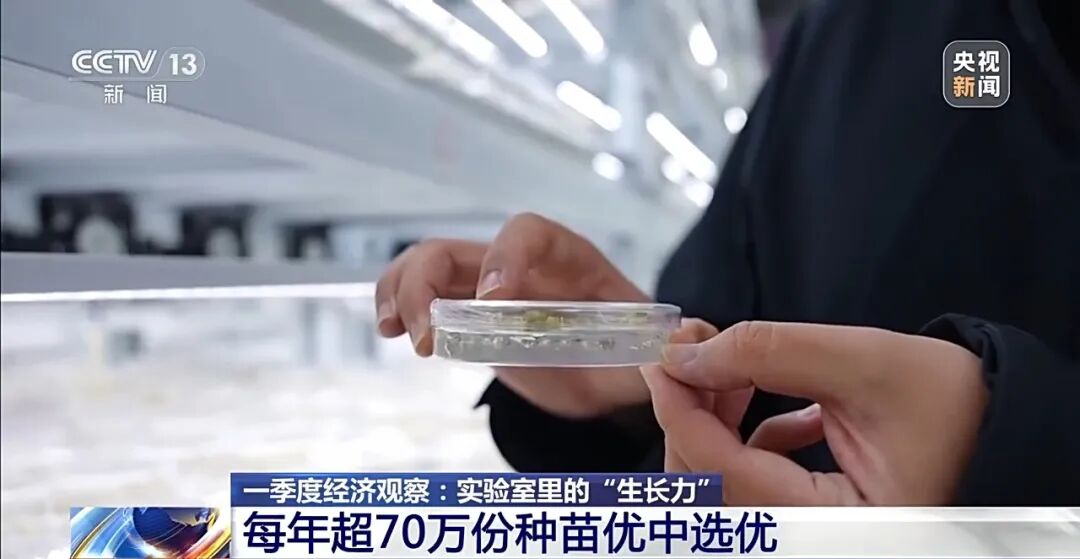
The second stage focuses on tissue culture and seedling regeneration. Once desirable traits are introduced into plant tissues, researchers must cultivate them into rooted seedlings for further screening and testing. The laboratory consumes nearly 100 tons of culture medium annually, while more than 700,000 seedlings undergo elite selection each year.
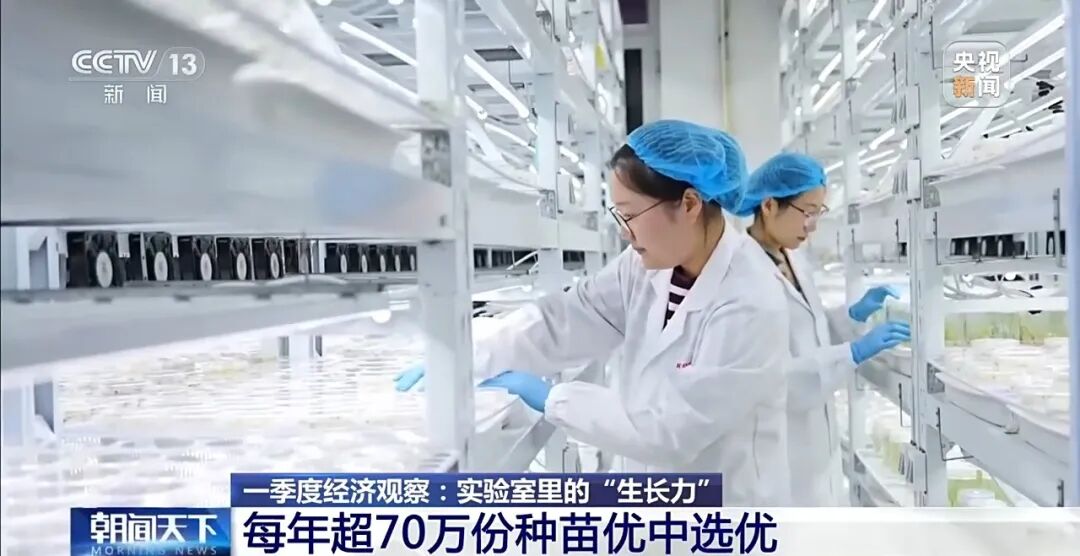
The breeding process also generates massive amounts of phenotypic data. Advanced laboratory equipment now helps accelerate the traditionally time-consuming testing and comparison process.
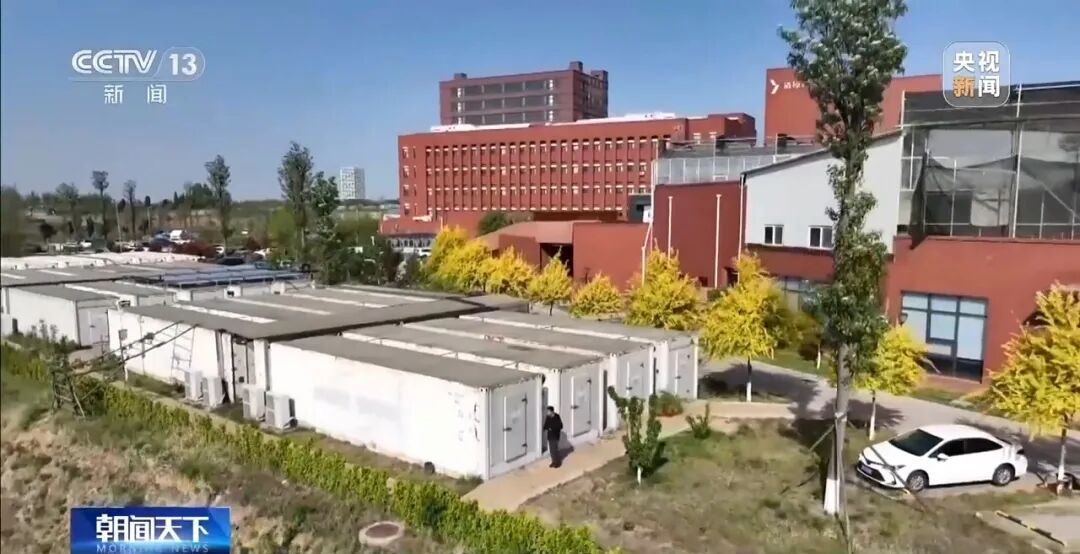
In the final stage, elite breeding materials are transferred into container-based artificial climate chambers that simulate optimal growing environments year-round, further speeding up the breeding cycle.
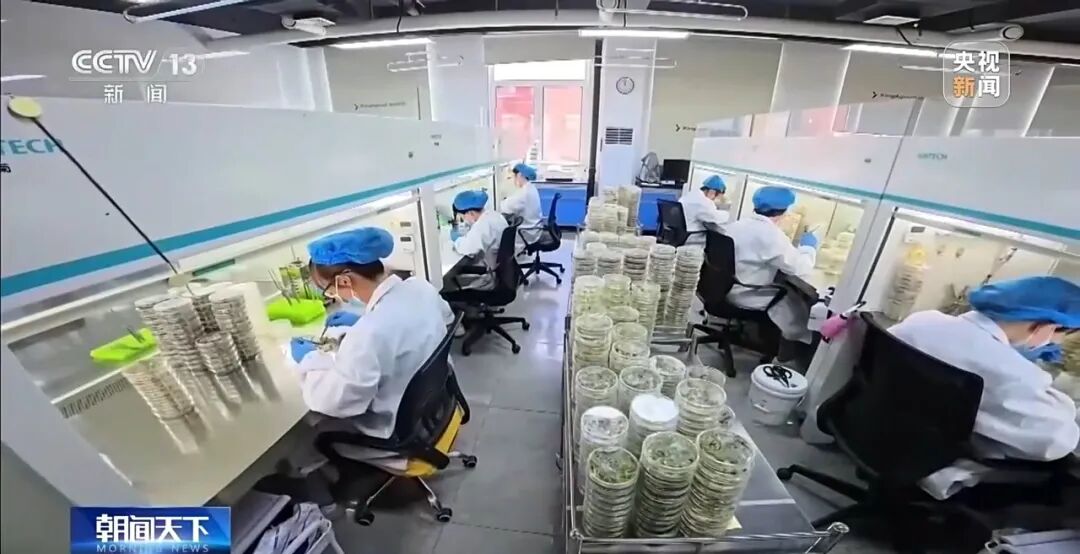
Company representatives emphasized that every improvement in breeding efficiency is driven by dedicated researchers working behind the scenes. Some scientists repeat delicate seed-handling operations thousands of times a day, while others work daily with dozens of insect species to evaluate pest resistance in new crop varieties. Each advance paves the way for superior crop varieties.
Breakthroughs in “Targeted Pest Control” RNA Pesticides
Beyond advanced breeding technologies, laboratories are also bringing a new generation of crop protection solutions to the field: RNA pesticides, also known as nucleic acid biopesticides.
Compared with conventional chemical pesticides, RNA pesticides are environmentally friendly, highly precise, and pose minimal risk to humans and ecosystems. Recently, China’s first RNA pesticide developed by the Key Laboratory of RNA Biopesticide Technology under the Ministry of Agriculture and Rural Affairs completed its public notification process and is poised for official registration.
What changes could this technology bring to modern crop protection?
According to laboratory researchers, traditional pesticides often function like “blanket bombing,” controlling pests, weeds and diseases but also harming beneficial insects and the environment. RNA pesticides, by contrast, can precisely target and suppress critical genes associated with pests, pathogens, or weeds with minimal ecological side effects.
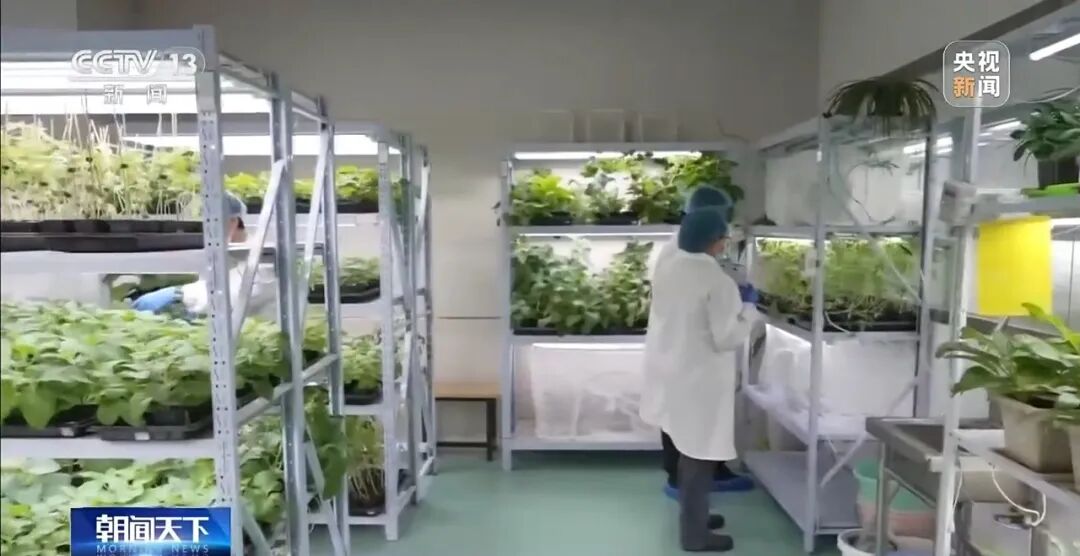
Inside the plant protection laboratory, researchers maintain a wide range of crops affected by different pests, diseases, and weeds. Through extensive comparative testing, the research team identifies the most effective gene targets for precise control.
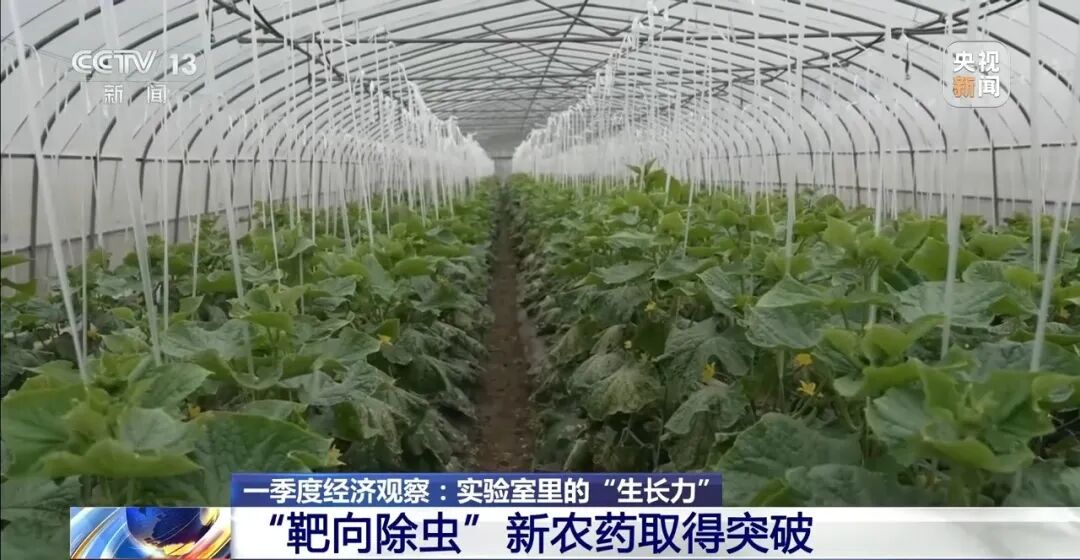
According to the Food and Agriculture Organization (FAO) of the United Nations, approximately 40% of global crop production is lost annually due to pests and diseases. Research estimates indicate that RNA pesticides can improve average control efficacy by around 20% compared with traditional pesticides.
The laboratory has already completed the initial “0-to-1” research phase for RNA pesticide development. The next step is to build a fully independent biomanufacturing platform for RNA pesticide production.
Advancing Toward an Agricultural Powerhouse
Across China, key laboratories are focusing on major agricultural challenges related to food production, seed technology, and arable land protection, while advancing research in frontier technologies such as biological breeding and artificial intelligence.
To date, China has registered 179 biopesticide active ingredients and over 2,500 related products — with both figures more than doubling over the past decade. Significant progress has also been achieved in crop breeding, including the development of high-yield premium rice, Fusarium-resistant wheat, high-density machine-harvest corn, and high-oil, high-yield soybean varieties.
More than 95% of China’s crop cultivation area now relies on domestically developed varieties, underscoring that China’s grain supply relies primarily on “Chinese seeds.”
With every technological breakthrough and every new elite germplasm resource, scientific innovation continues to accelerate China’s agricultural modernization.
Source: CCTV News Client